Student Project Showcase

Explore projects completed by students who have applied course concepts to transform their living spaces.

Note: Projects shown represent individual student work and results. Individual outcomes vary based on effort, application of concepts, available resources, and personal circumstances.

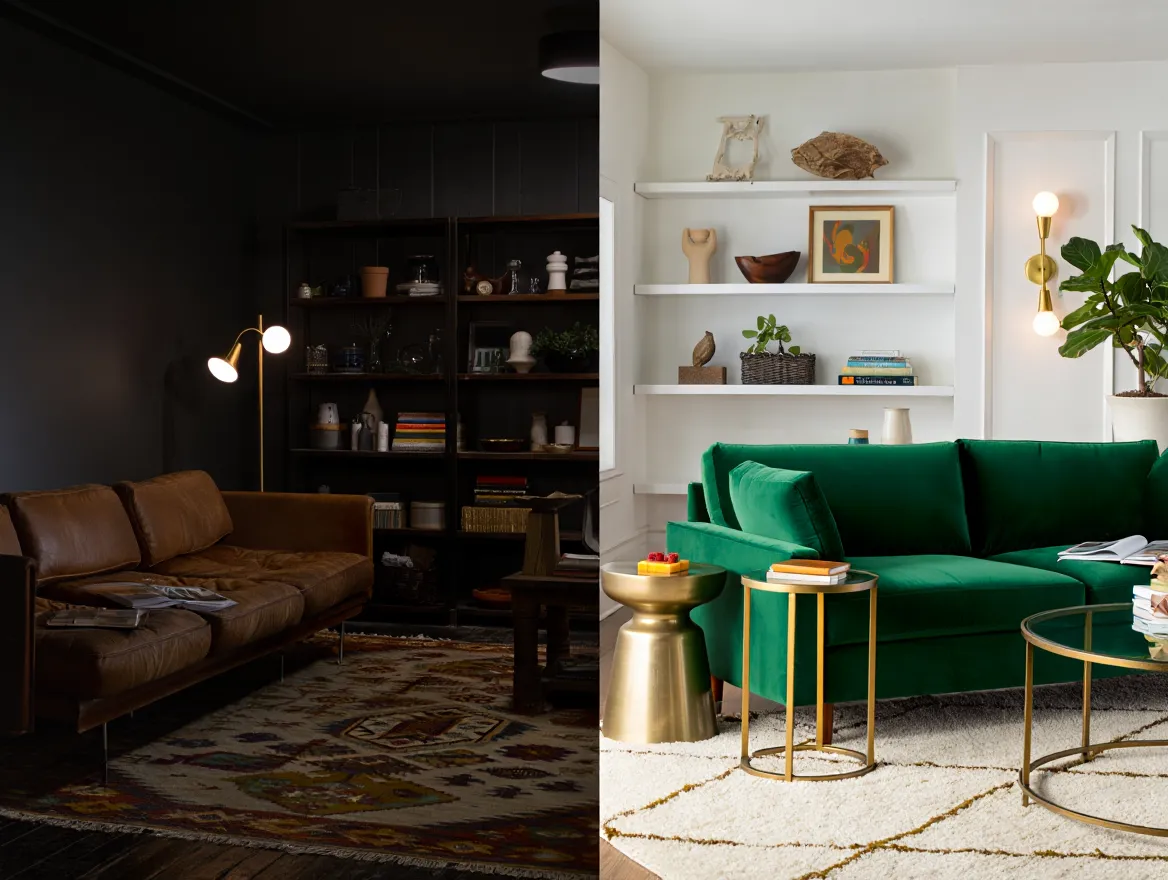
Complete living room transformation with new color scheme and furniture arrangement

Contemporary Living Space

This student redesigned their living room using principles of color harmony and space planning. The project demonstrates effective use of neutral tones with accent colors to create a cohesive, inviting atmosphere.

Key elements include strategic furniture placement, layered lighting, and thoughtful accessory selection that reflects personal style while maintaining functionality.
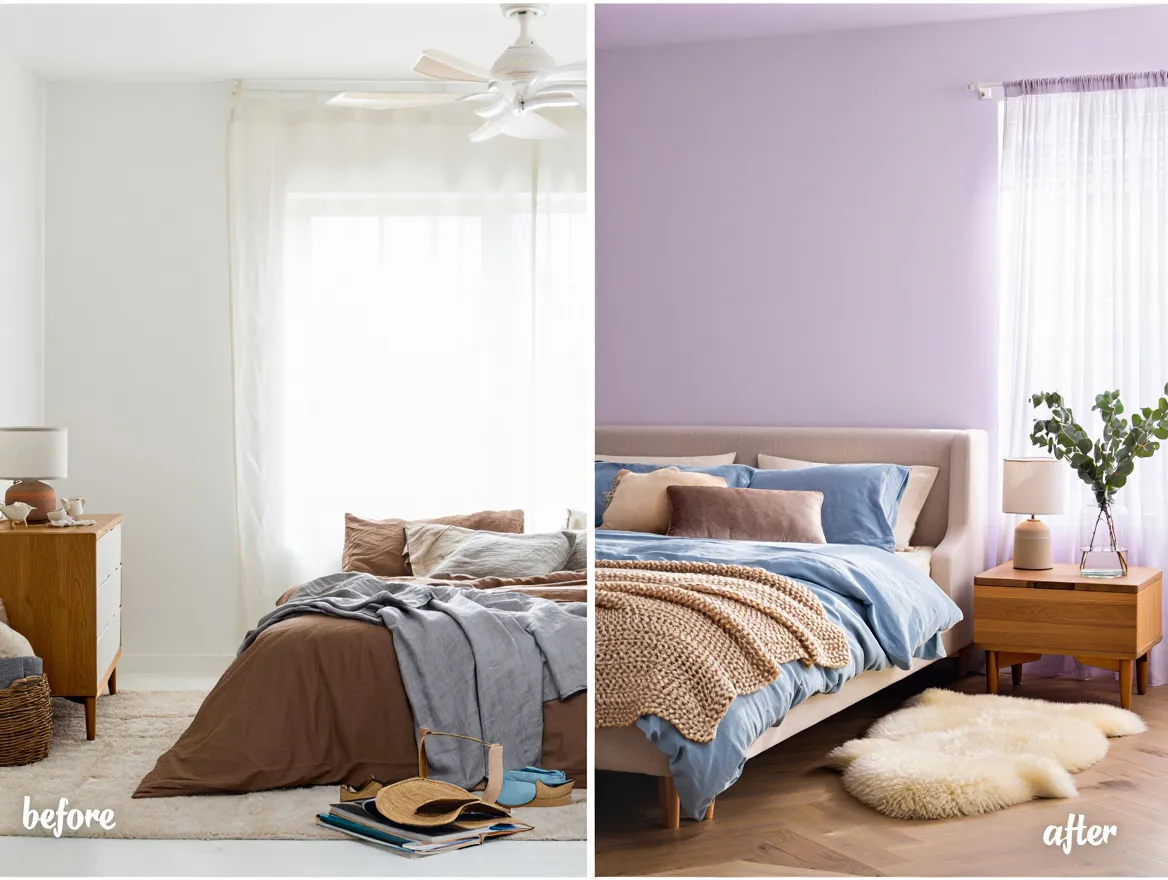
Bedroom Retreat

A calming bedroom design that incorporates texture, soft lighting, and a carefully selected color palette. The student applied lessons on creating restful environments through design choices.

The project showcases understanding of how different elements work together to support the room's primary function while expressing individual aesthetic preferences.

Serene bedroom design with soft textures and calming colors
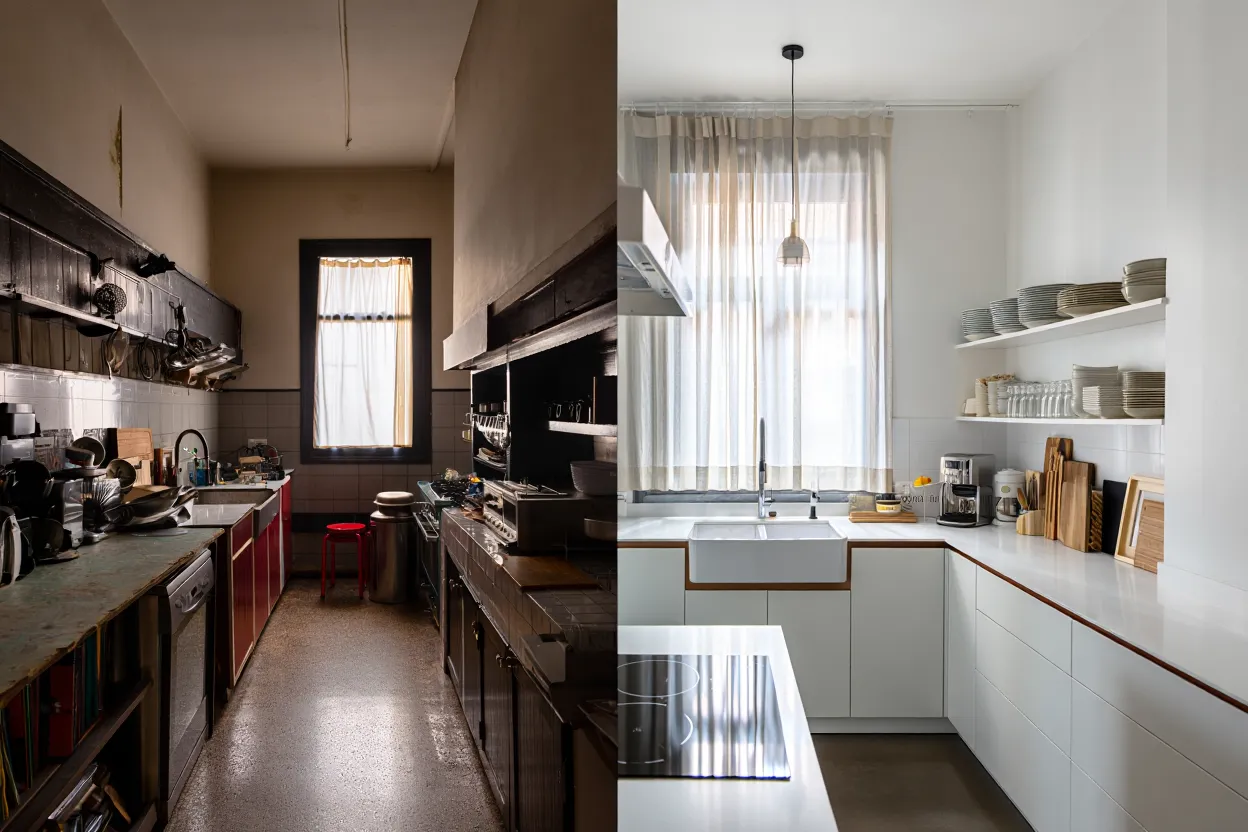
Kitchen area redesigned with improved workflow and modern styling

Functional Kitchen Design

This project focuses on improving kitchen functionality through better space planning and material selection. The student applied course concepts to create a more efficient and visually appealing cooking space.

Considerations included workflow optimization, storage solutions, and selecting materials appropriate for the space's practical requirements.

Project Highlights

Design Process

Students follow a structured approach: space assessment, concept development, material selection, and implementation. Each project demonstrates application of course principles.

Skill Development

Through project work, students develop confidence in making design decisions, learn to work with constraints, and refine their ability to create cohesive spaces.

Real Applications

Projects shown reflect application of learned concepts and techniques in various settings.

Individual outcomes vary based on effort, available resources, and application of concepts.

Project Development Timeline

Follow the journey of a student project from concept to completion.

Initial Assessment

Students begin by evaluating the existing space, identifying strengths and areas for improvement. This includes measuring dimensions, noting lighting conditions, and understanding functional requirements.

Concept Development

Based on the assessment, students develop design concepts that align with their style preferences and the space's functional needs. Color schemes and material selections are explored.

Planning & Selection

Detailed planning includes creating floor plans, selecting specific furniture pieces, and choosing accessories. Students learn to balance aesthetics with budget and availability.

Implementation

The final phase involves bringing the design to life through furniture arrangement, accessory placement, and final styling touches that complete the transformation.

Learning Outcomes

Practical Skills

Students gain hands-on experience in evaluating spaces, making design choices, and implementing changes. Projects provide opportunities to practice techniques learned in lessons.

Creative Expression

While following design principles, students develop their own style and preferences. Projects reflect individual interpretation and application of course concepts.

Confidence Building

Completing projects helps students build confidence in their design abilities. They learn to trust their judgment and make informed decisions about their spaces.

Instructor Profiles

Learn from experienced design professionals who guide your learning journey.

Interior design instructor

Expert Guidance

Our instructors bring years of professional experience in interior design and decoration. They provide personalized feedback and support throughout your learning process.

With backgrounds in residential and commercial design, they share practical insights and real-world knowledge that enhance your understanding of design principles.

Instructor Qualifications

Instructors have professional experience working on interior design projects in residential and commercial settings. They have practical knowledge of design principles, materials, color theory, and space planning. Their teaching approach focuses on helping students understand concepts and apply them effectively.

Instructors provide educational guidance and feedback. They do not provide professional design services as part of the course, but share knowledge and techniques that students can apply to their own projects.